

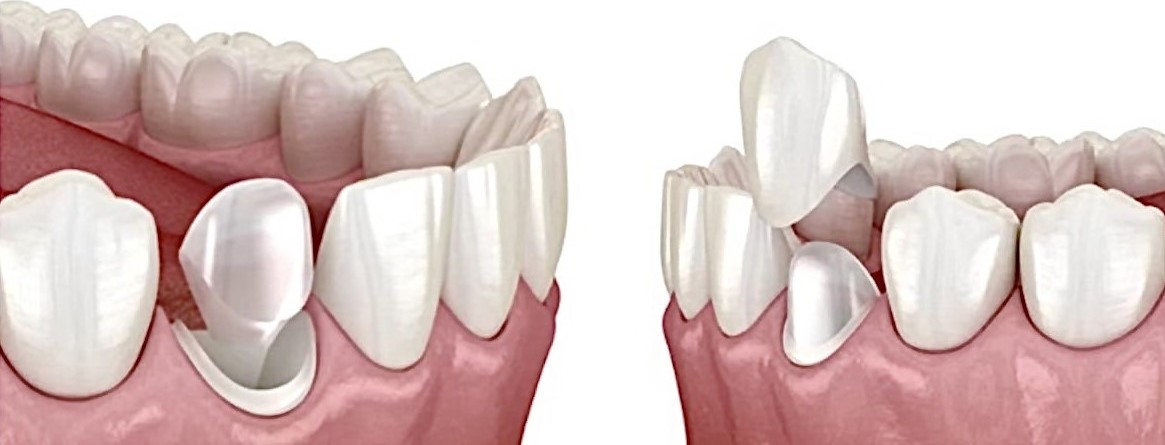
What are Dental Posts and Dental Crowns?
Teeth that have undergone root canal treatment often lose a significant amount of their natural structure, making them weak, brittle, and prone to fractures. Therefore, after completing a root canal, restorative dentistry procedures like Dental Posts and Dental Crowns are highly recommended to reinforce strength, protect the remaining tooth structure, and extend its lifespan for normal chewing.
Dental Post
A dental post is a small, durable rod inserted into the root canal space after it has been filled. It is securely anchored using specialized dental cement, leaving a portion protruding above the gum line. This acts as an anchor or “pillar” to support the core build-up and safely secure the final dental crown.
Dental Crown
A dental crown is a custom-made prosthetic cap placed over a damaged tooth. The dentist reshapes the remaining tooth structure and builds up the dental core (with the post inside) to ensure stability. An impression is then taken to craft a precise, individual crown that is permanently bonded with dental cement.
Popular Types of Dental Crown Materials
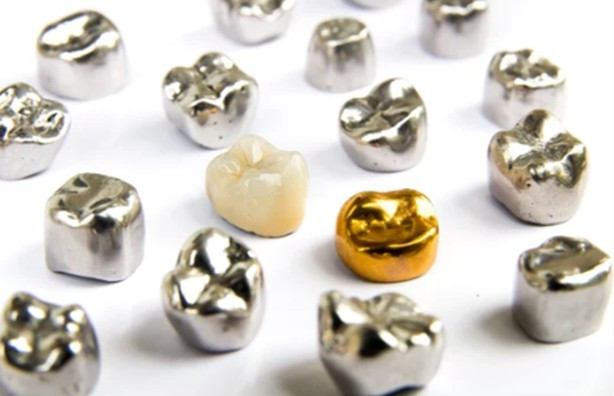
1. Full Metal Crowns
Offering high strength and durability against heavy chewing forces. They are highly fracture-resistant and ideal for the back molars where visibility is low.
2. Porcelain-Fused-to-Metal Crowns (PFM)
A hybrid crown featuring a strong inner metal structure overlaid with tooth-colored porcelain. This provides excellent durability for back teeth while offering a natural look when smiling.
3. All-Ceramic Crowns
Providing natural-looking results with aesthetics that closely mimic natural tooth enamel. Ideal for front teeth. Modern advancements (such as Zirconia) also make them strong enough for back molars.
Advantages and Benefits of Dental Crowns
Dental crowns are a globally recognized standard for restoring and repairing compromised teeth. They effectively resolve various dental issues:
- Protect Damaged Teeth: Covers cracked, chipped, fractured, or deeply decayed teeth where standard fillings are insufficient.
- Reinforce Weak Structures: Strengthens brittle teeth prone to breakage, common in patients with calcium deficiencies.
- Restore Post-Root Canal Teeth: Adds crucial strength to teeth after root canal treatment, especially heavy-duty posterior molars.
- Combine with Other Treatments: Acts as the visible, functioning tooth on top of dental implants and serves as anchors for dental bridges.
- Correct Bite Issues: Helps resolve minor malocclusions or abnormal bite alignment for improved oral function.
- Enhance Smile Aesthetics: Restructures the shape, size, and color of teeth, boosting your confidence and personality.
Frequently Asked Questions (FAQs)
Q: Does getting a dental crown hurt? How long does it last?
Q: Which teeth require both a dental post and a crown?
Q: Why is a dental post necessary?
Your first visit is just a conversation — no commitment.
LINE @casadent · Tel 063-956-6632 · See our price list
CASA Dental Clinic, Saphan Khwai (BTS Saphan Khwai) · Open daily 10:30–20:00

