

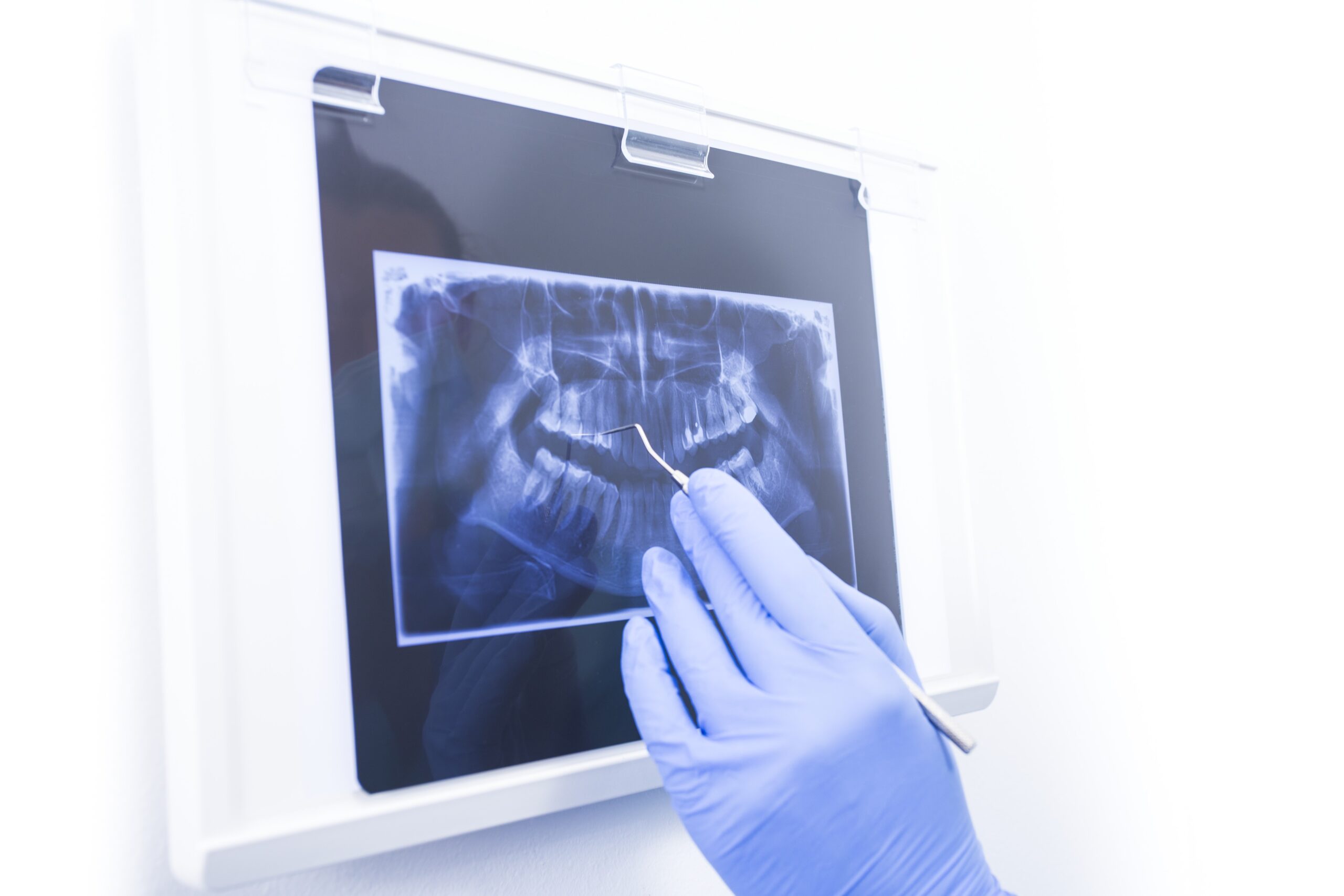
3D Digital Dental X-Ray System
Advanced 3D Dental X-Ray technology provides dentists with highly detailed radiographic images of the entire dental structure. Featuring a 360-degree panoramic scanning system, a single scan captures all the comprehensive data required for diagnostic evaluation. The high-definition output allows dentists to accurately diagnose issues, assess overall oral health conditions, and meticulously plan treatments for optimal clinical outcomes.
Dental Cone Beam Computed Tomography (CBCT) or 3D X-ray systems capture detailed three-dimensional images of the teeth, jaws, and maxillofacial structures. This technology delivers significantly more depth and precision than traditional 2D systems while utilizing a much lower dose of radiation. Unlike 2D radiographs, which only present a flat frontal view or overlapping tooth shadows, 3D imaging clearly isolates individual tooth positioning, spatial relationships, and remaining bone volume—which is critical prior to dental implant placement.
What is a Dental X-Ray?
A dental X-ray uses controlled, low-level radiation to capture images of the interior structures of your teeth and gums. This process is an essential step in professional treatment planning, as it reveals critical diagnostic data about your teeth and jaw bone that cannot be detected during a visual clinical examination alone.
The primary purpose of diagnostic dental X-rays is preventive care. They allow dentists to clearly identify developing oral health issues early on, such as hidden bone loss, deep tooth decay, or internal tooth trauma, making them invaluable tools for constructing accurate, personalized dental treatment plans.
Types of Diagnostic Dental X-Rays for Treatments
There are several types of dental radiographs available. Your dentist will select the most appropriate imaging method based on the specific type of treatment you require.
1. X-Rays for Wisdom Teeth Extraction
Wisdom Teeth Evaluation: Radiographs are used to evaluate specific anatomical details of the teeth, such as root curvature and the depth of existing decay that might make the tooth fragile during extraction. Crucially, it maps the exact position of impacted wisdom teeth relative to vital anatomical structures, such as major nerves or sinuses. These images are also used to monitor healing if any post-operative complications arise.


2. X-Rays for Root Canal Treatment
Endodontic Therapy: Endodontists use targeted radiographs to evaluate whether a compromised tooth is a suitable candidate for root canal therapy. Throughout the procedure, several follow-up X-rays are required to verify the exact length of the root canal and to confirm the precise placement of core filling materials. This supports precise placement during root canal and subsequent implant procedures.
3. X-Rays for Orthodontic Treatment
Orthodontic Planning: Orthodontic care requires combining a thorough intraoral examination with diagnostic study models and specialized extraoral radiographs. These structural images map out the precise relationship between the teeth, jawbones, cranium, and overall facial profile, allowing orthodontists to analyze dental alignment and design custom treatment tracks.


4. X-Rays for Interproximal Cavity Detection
Cavity Detection: Tooth decay forming between adjacent teeth (interproximal cavities) is incredibly difficult to detect visually, especially in its early stages or when hidden beneath the edges of existing fillings. Bitewing radiographs are highly effective for locating these hidden cavities alongside regular checkups, while also assisting in monitoring your overall oral hygiene standards.
5. X-Rays for Periodontal Disease Treatment
Periodontitis Assessment: Periodontal disease can affect individuals across all age groups and is caused by plaque accumulation around the teeth. Early-stage gingivitis causes swollen, bleeding gums, which do not show up on an X-ray. However, as it advances into periodontitis, it destroys the underlying bone supporting the tooth roots. Radiographs are vital for assessing the severity of bone loss and tracking the success of periodontal treatments.

Frequently Asked Questions
Q : Is radiation from dental X-rays dangerous?
Q : How often should I get dental X-rays?
Q : How long does a dental X-ray procedure take?
Your first visit is just a conversation — no commitment.
LINE @casadent · Tel 063-956-6632 · See our price list
CASA Dental Clinic, Saphan Khwai (BTS Saphan Khwai) · Open daily 10:30–20:00

