


What are Dental Fillings? Why You Shouldn't Ignore Cavities
A dental filling is a highly effective restorative treatment used to repair missing tooth structure. Dentists use specialized filling materials to restore teeth damaged by tooth decay, wear, chips, or minor fractures from dental trauma. This procedure restores both the natural shape of the tooth and your proper chewing function.
Types of Dental Filling Materials
- Amalgam: A highly durable, silver-colored material that lasts around 10-15 years. It withstands heavy chewing forces well and is ideal for back teeth (molars), though it is not recommended for front teeth due to its color.
- Composite Resin: A tooth-colored material that blends seamlessly with your natural smile. It provides both excellent aesthetics and durability, making it perfect for front teeth and visible areas.
- Glass Ionomer: A material capable of releasing fluoride to protect teeth against recurrent cavities. It is commonly used for young children or patients with a high risk of tooth decay.
Essential Aftercare Tips Post-Filling
- Use a soft-bristled toothbrush and brush gently but thoroughly at least twice a day.
- Rinse with an antibacterial mouthwash once daily, or as advised by your dentist.
- Avoid chewing extremely hard foods, such as ice cubes or bone cartilage, to prevent the filling material from cracking or dislodging.
Common Symptoms to Expect
Temporary tooth sensitivity is common and normal after a filling procedure. This usually subsides on its own within 1-2 weeks. If you experience minor discomfort, over-the-counter pain relievers can help. However, if the pain persists or worsens, please contact your dentist immediately for a follow-up check.
Advantages of Dental Fillings
- Prevents tooth decay from spreading deeper into the root canal.
- Reduces tooth sensitivity caused by exposed dentin or worn necks of teeth.
- Reinforces tooth structure, restoring normal dental functions.
- Provides a quick and convenient restoration completed in a single visit.
Limitations of Dental Fillings
- Minor discomfort or mild sensitivity may occur during the drilling and filling process.
- Filling materials are less robust than dental crowns and cannot treat extensive tooth damage.
- Local anesthesia can occasionally make it slightly more challenging to check your bite alignment during treatment.
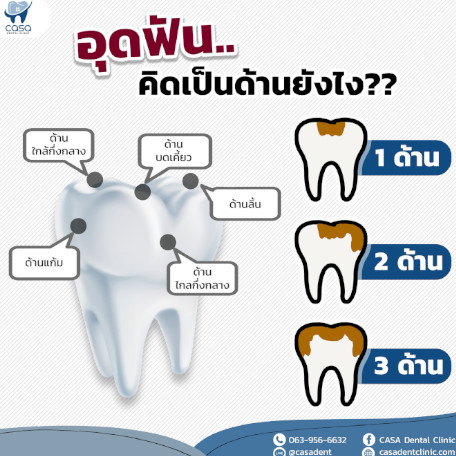
“Getting a dental filling is a simple and stress-free process. Leaving cavities untreated, however, can eventually lead to permanent tooth loss.”
Frequently Asked Questions (FAQ)
Q: How long does a dental filling take?
Q: Do dental fillings hurt?
Q: Can dental fillings fix gaps between teeth?
Your first visit is just a conversation — no commitment.
LINE @casadent · Tel 063-956-6632 · See our price list
CASA Dental Clinic, Saphan Khwai (BTS Saphan Khwai) · Open daily 10:30–20:00

