Is Teeth Whitening Painful?
Is Teeth Whitening Painful?

How to Prepare for the Best Teeth Whitening Results
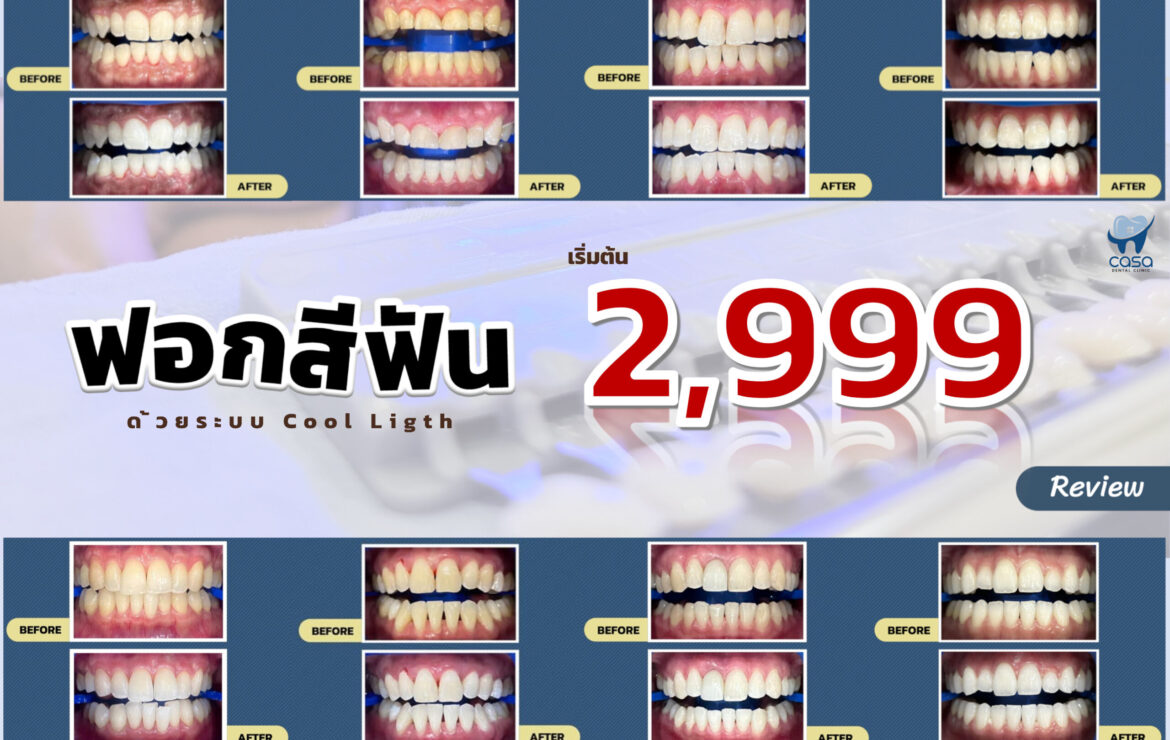
A bright smile doesn’t just enhance your appearance; it boosts your confidence in every moment. Teeth whitening is one of the most popular cosmetic dental procedures, offering a visibly brighter smile in a very short time.
However, many people still wonder: Is teeth whitening painful? How should I prepare? This article provides comprehensive answers and practical insights from our dental team.
Is Teeth Whitening Painful?
Generally speaking, most patients experience little to no pain during professional teeth whitening, though mild temporary sensitivity can occur. Some patients may experience temporary side effects, including:
- Mild tooth sensitivity during the procedure.
- Temporary tooth sensitivity after the treatment, which typically subsides and disappears within 1–3 days.
These symptoms are entirely normal. They occur as the whitening agent penetrates the tooth enamel to break down deep-set stains within the dentin.
Factors Influencing Tooth Sensitivity
- Pre-existing Dental Conditions: Individuals with a history of tooth sensitivity, worn enamel, or receding gums may be more sensitive.
- Concentration of the Whitening Gel: The strength of the bleaching agent directly impacts the level of sensitivity.
- Dentist’s Technique and Care: Proper adjustment of light exposure and application time tailored to each patient.
When performed by an experienced dentist at a professional dental clinic, teeth sensitivity is carefully managed to ensure your treatment is as comfortable as possible.
How to Prepare for Your Teeth Whitening Session
To ensure a flawless, long-lasting, and beautifully even result, we recommend taking the following steps prior to your appointment:
1. Schedule a Dental Scaling and Cleaning
Removing plaque and tartar build-up ensures a clean surface, allowing the whitening gel to penetrate evenly and work at its maximum efficiency.
2. Get a Comprehensive Oral Health Check-up
If you have untreated cavities, gum disease, or root problems, these must be resolved first. This prevents the whitening agent from irritating the inner nerves, which could cause severe pain.
3. Avoid Dark-Colored Food and Beverages
For at least 24–48 hours before your treatment, cut out stain-causing items such as coffee, tea, red wine, and dark sodas to keep the tooth surface clear.
4. Get Plenty of Rest
Being well-rested helps reduce nerve sensitivity, keeping you relaxed and making your time in the dental chair a much more comfortable experience.
Essential Post-Whitening Aftercare Tips
The first 48 hours after your procedure are crucial for locking in your new, bright shade.
What to Avoid:
- Dark-colored food and drinks (e.g., coffee, tea, colorful sauces, and curries).
- Smoking, as nicotine quickly stains and discolors freshly whitened teeth.
- Highly acidic drinks or foods that are extremely hot or cold.
What to Do:
- Drink plenty of water to flush out any residue and keep your mouth hydrated.
- Use a toothpaste formulated specifically for sensitive teeth.
- Maintain excellent oral hygiene by brushing and flossing regularly.
How Long Do Teeth Whitening Results Last?
On average, the results of a professional teeth whitening treatment last between 6 months to 2 years. The exact longevity heavily depends on your dietary habits, smoking status, and how well you maintain your daily oral hygiene.
Dentist’s Summary
Professional teeth whitening is a fast dental procedure performed within international safety standards. By choosing a trusted dental team and following proper aftercare, you can effortlessly achieve a naturally radiant and healthy smile.
Get a Free Consultation! Book your appointment today at: CASA Dental Clinic
Frequently Asked Questions (FAQ)
Q: How many shades whiter will my teeth get?
A: On average, teeth brighten by about 2–4 shades. This varies based on your natural tooth shade and the type of stains present.
Q: Does teeth whitening make your teeth thinner?
A: No, it does not. The whitening gel only reacts with the organic stain molecules inside the tooth. It does not erode or damage your natural tooth enamel when performed correctly by a professional.
Q: Is teeth whitening suitable for everyone?
A: It may not be recommended for pregnant or nursing mothers, individuals with severe untreated cavities or gum disease, or those with extreme pre-existing tooth sensitivity. A prior dental evaluation is always recommended.
Q: Is one session enough?
A: Most patients see a significant, noticeable difference after just the first session. However, for deep, stubborn stains, your dentist might suggest a touch-up session or a take-home whitening kit to hit your target shade.
Q: What is the difference between Porcelan Veneers and Teeth Whitening?
- Teeth Whitening: Focuses solely on brightening the “natural color” of your existing teeth without changing their shape.
- Veneers: Custom-made ceramic shells placed over the front of the teeth to completely transform their “color, shape, alignment, and size” to achieve your desired look.
Related posts