Why Do Dead Teeth Turn Dark?
Why Do Dead Teeth Turn Dark?

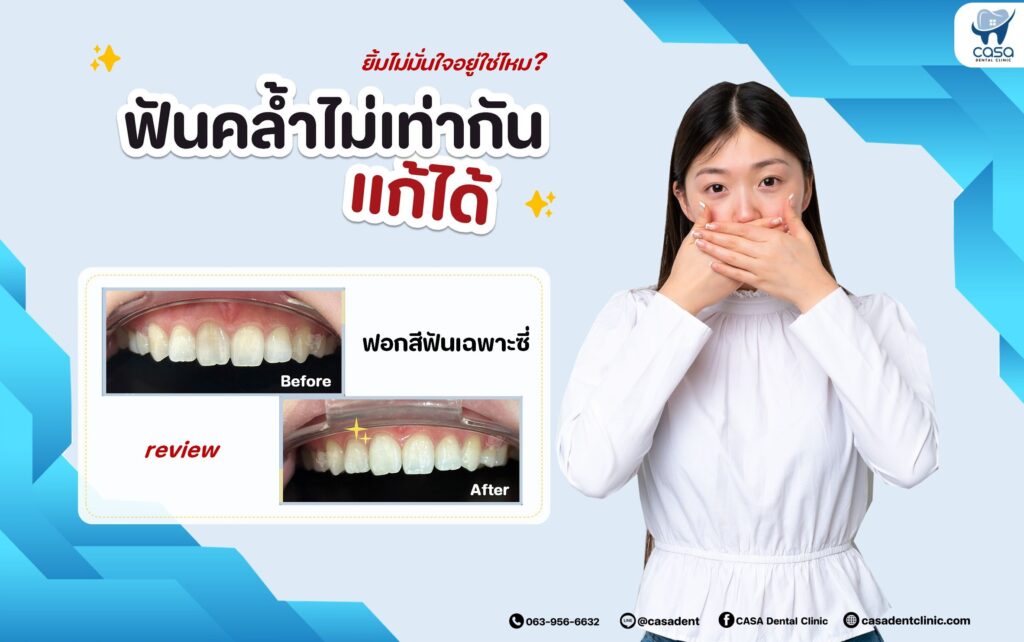
🦷 Why Does a “Dead Tooth” Turn Dark? Effective Solutions for a Restored Smile
Have you ever felt self-conscious when smiling because you noticed one of your front teeth becoming noticeably darker, gray, or discolored compared to the adjacent ones? This is often a telltale sign of a “dead tooth” (non-vital tooth). It is a common yet frequently misunderstood dental issue. Fortunately, with today’s advanced aesthetic dentistry, you can successfully treat and restore discolored teeth to their natural, brilliant shade.
💡 What is a Dead Tooth (Non-Vital Tooth)?
A dead tooth occurs when the soft inner tissue and dental pulp—which houses vital blood vessels and nerves—stops functioning or dies. The most common causes of a non-vital tooth include:
- A cracked, fractured, or traumatized tooth resulting from a severe impact or accident.
- Deep, untreated dental cavities that penetrate the inner pulp chamber.
- Previous root canal treatments where the remaining natural tooth structure slowly discolors over time.
- Prolonged or chronic bacterial infections deep inside the tooth structure.
🌫 Why Do Non-Vital Teeth Suffer from Dark Discoloration?
Once a tooth’s pulp dies, the tissues inside begin to break down, releasing cellular debris and blood-derived elements like hemoglobin and other degrading proteins. These microscopic substances penetrate deep into the dentinal tubules, staining the tooth structure from the inside out.
This internal staining process is entirely different from surface stains caused by tea, coffee, red wine, or smoking, which only affect the exterior enamel layer. Consequently, conventional superficial treatments like routine scaling, tooth polishing, or over-the-counter whitening kits will not brighten a dead tooth.
🩺 3 Advanced Treatments to Fix a Dark, Dead Tooth
At CASA Dental Clinic, our experienced dentists offer customized dental treatments designed to eliminate internal discoloration and restore the natural aesthetics of your smile:
- Internal Bleaching: Best suited for teeth that have already undergone a successful root canal treatment. Your dentist places a specialized whitening agent directly inside the pulp chamber and seals it temporarily. This process is repeated over 1–3 visits until the treated tooth matches the brightness of your neighboring teeth.
- Dental Crowns: If the discolored tooth is heavily decayed, structurally weakened, or severely darkened, a premium full-porcelain dental crown is highly recommended. The crown wraps around the remaining tooth structure, offering exceptional strength, preventing fractures, and seamlessly blending with your natural teeth.
- Dental Veneers: For patients seeking an immediate aesthetic upgrade while retaining a healthy amount of natural tooth structure, dental veneers are an ideal choice. These custom-made, ultra-thin shells are bonded to the front surface of the tooth, completely masking discoloration and refining its shape.
💬 Frequently Asked Questions (FAQ)
Q: Does every dead tooth require medical treatment?
A: Yes, it is highly recommended to undergo a thorough dental evaluation. Even if a dead tooth is completely painless, a silent infection may reside at the root apex. Left untreated, this can develop into a painful dental abscess and destroy the surrounding jawbone. Root canal therapy is often essential to eliminate this hidden risk.
Q: Is the internal bleaching procedure painful?
A: Because the nerves inside a dead tooth have already ceased functioning, most patients report minimal to no discomfort during this procedure. Our dentists perform this treatment with care and precision.
Q: Can a dead tooth be brought back to life?
A: No, the biological nerve tissue inside cannot be revived. However, we can successfully treat the underlying health problems and fully restore the tooth’s appearance and functionality to match a normal tooth.
Q: Will the treated tooth turn dark again in the future?
A: For patients opting for internal bleaching, there is a minor possibility that the tooth may shade down or slightly darken after several years. If this happens, you can opt for a quick touch-up or transition to long-lasting solutions like veneers or crowns.
Q: How long does the restoration process take?
A: The duration depends on your chosen treatment. Internal bleaching generally requires 1 to 3 office visits. On the other hand, custom dental crowns or porcelain veneers typically take about 1 to 2 weeks from preparation to final placement.
🤍 The Bottom Line
A dead tooth is a serious medical and aesthetic concern that shouldn’t be ignored. Beyond affecting your self-esteem and smile, it presents hidden infectious risks to your oral health. With experienced and attentive care at CASA Dental Clinic, we can help you reclaim a healthy, beautiful, and vibrant smile with complete confidence.
Get a FREE dental consultation! Book your appointment online today at: CASA Dental Clinic
Related posts