How to Choose Toothpaste: A Practical Guide

How to Choose Toothpaste: A Practical Guide


How to Choose Toothpaste: A Practical Guide
A healthy mouth plays a massive role in boosting your personality and daily confidence. Therefore, selecting the right tools for your dental routine requires thoughtful consideration—especially when it comes to your toothpaste. Choosing a specific formulation tailored to your teeth and gum conditions is key to target oral concerns effectively. In this article, we will look closely at how toothpaste works and help you discover the right option for your dental needs.
Toothpaste functions as a primary oral care agent designed to clean teeth, remove food debris, and clear out plaque caused by microscopic bacteria. Formulated to combat cavities, gum disease, and bad breath, toothpaste works hand-in-hand with your toothbrush to polish the tooth surface, clean deep between tight spaces, and safely suppress microbial growth.
The 5 Common Types of Toothpaste: Which One Do You Need?
Commercial toothpastes available in stores are categorized by their targeted functions. Here are the 5 primary varieties:
1. Fluoride Toothpaste
Specially engineered to protect teeth from cavities and remineralize enamel. Standard commercial options usually contain around 1,000 ppm of fluoride. For optimal defense, brush twice a day for about 2–3 minutes so the fluoride can fully bond with your teeth. *Note: For children under 6 years old, parents should supervise brushing, apply only a minimal amount, and ensure they do not swallow the product.
2. Herbal Toothpaste
Rather than relying primarily on heavy anti-cavity agents, herbal alternatives emphasize gum care, toothache relief, reduction of bleeding gums, and natural breath freshening. *Note: Because they are organic-based, ensure you buy approved, high-standard commercial brands to avoid risks of contamination.
3. Whitening Toothpaste
An ideal choice for heavy tea, coffee, or tobacco consumers. Whitening toothpaste contains polishing particles or chemicals like baking soda and peroxide to lift surface stains and brighten your smile. *Note: Prolonged or overuse can wear down enamel surfaces and cause sensitive teeth over time. It is highly recommended to seek professional dental advice before long-term use.
4. Sensitive Toothpaste
Formulated explicitly to block tooth sensitivity. It features key active compounds such as Sodium Citrate or Potassium Nitrate, which create a protective barrier over exposed nerve endings. Brush regularly twice a day for continuous, lasting relief.
5. Tartar Control Toothpaste
Designed to delay the buildup of hardened calculus (tartar) on the teeth via chemical elements like Triclosan and Pyrophosphates. *Note: While it reduces new buildup, it cannot remove existing tartar—you will still need professional scaling at the clinic. Some users may also experience slight sensitivity or mild irritation to these active ingredients.
Essential Checklist for Choosing Toothpaste
- Contains fine, gentle abrasives that safely polish without scratching enamel.
- Formulated with adequate Fluoride to maximize cavity prevention.
- Features an appealing color, texture, or flavor that matches your personal preference.
- 100% sugar-free to prevent accidental tooth decay.
- Expiration check: The production date should not exceed 3 years.
5 Key Benefits of Using Toothpaste
- Reinforces and hardens the overall tooth structure.
- Acts as a vital shield against dental caries (cavities).
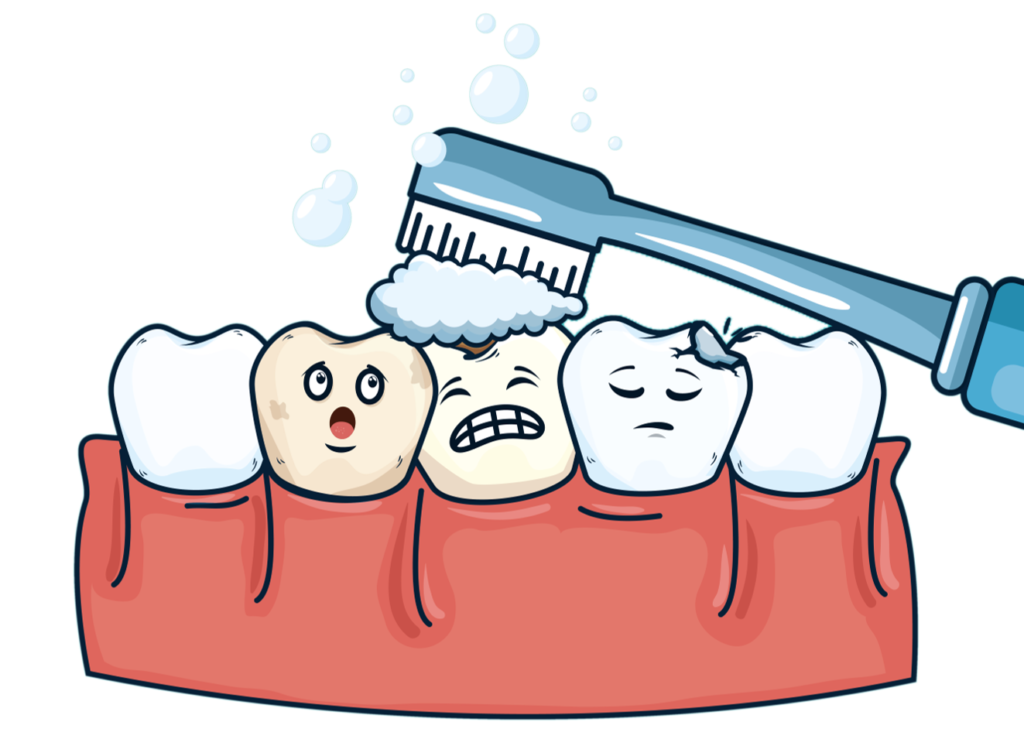
- Effectively clears out plaque, trapped food debris, and oral microbes.
- Combats bad breath to give you clean, refreshing, and confident breath.
- Household hack: Can be used to clean household items like silverware or stubborn grease stains.
How Much Toothpaste Should You Actually Use?
It is a common misconception that loading your brush with tons of toothpaste yields cleaner teeth and better foam. In reality, overusing it can be counterproductive. For adults, a dollop equal to the full length of your toothbrush bristles is generally sufficient for an ideal clean. For young children, the dosage must be strictly managed by age to prevent accidental ingestion:
Pediatric Toothpaste Usage Guidelines (Parental Supervision Required)
- Under 3 years old: Use a tiny smear the size of a grain of rice.
- Ages 3 – 6 years: Use a small dollop the size of a pea.
- Ages 6 years and up: Can safely use a standard amount the length of the brush head, similar to adults.

Ultimately, no matter which toothpaste option you choose, consistency is key. Make sure to brush thoroughly at least twice a day, practice proper brushing techniques, and utilize dental floss after meals to support a beautiful, pearly-white, and healthy smile.
Remember to visit your dentist for routine dental checkups every 6 months! Book your dental checkup with our friendly dental team here.

Dental Consultation

Click for Exclusive Deals!!
Related posts