Do You Need to Remove Wisdom Teeth?
Do You Need to Remove Wisdom Teeth?

Do You Need to Remove Wisdom Teeth? Everything You Need to Know About Impacted Teeth
A healthy adult typically has 32 teeth, each with a complex structure designed to assist with chewing and clear speech throughout life. However, our teeth cannot remain healthy without proper oral care. One of the most common issues that can compromise your oral health is an impacted wisdom tooth. Regular dental check-ups with experienced dentists are essential to prevent complications and extend the lifespan of your teeth.
What is a Wisdom Tooth (Impacted Tooth)?
A wisdom tooth, or the third molar, is the final set of molars that typically emerges during late adolescence or early twenties. Most people develop four wisdom teeth located at the very back of the mouth (upper left, upper right, lower left, and lower right). While some people’s wisdom teeth emerge straight and fully functional, many experience “impacted teeth,” where the tooth remains trapped underneath the gum line or bone, particularly in the lower jaw.
Wisdom Tooth Extraction vs. Wisdom Tooth Surgery
- Wisdom Tooth Extraction: Performed when the tooth has fully erupted through the gums in a straight, normal alignment. The dentist can remove it like a regular tooth.
- Wisdom Tooth Surgery (Surgical Removal): Required when the tooth is completely or partially trapped underneath the gums, or growing at an angle, pushing against neighboring teeth. This requires a minor surgical incision.
Main Causes of Impacted Wisdom Teeth
- Lack of Jaw Space: There is insufficient room in the dental arch for the wisdom teeth to erupt properly.
- Abnormal Eruption Angle: The wisdom tooth grows sideways or tilts directly into the root of the adjacent molar.
- Dense Bone or Gum Tissue: Thick gum tissue or bone blocks the natural path of the erupting tooth.
Signs and Symptoms: When to Get Your Wisdom Teeth Removed
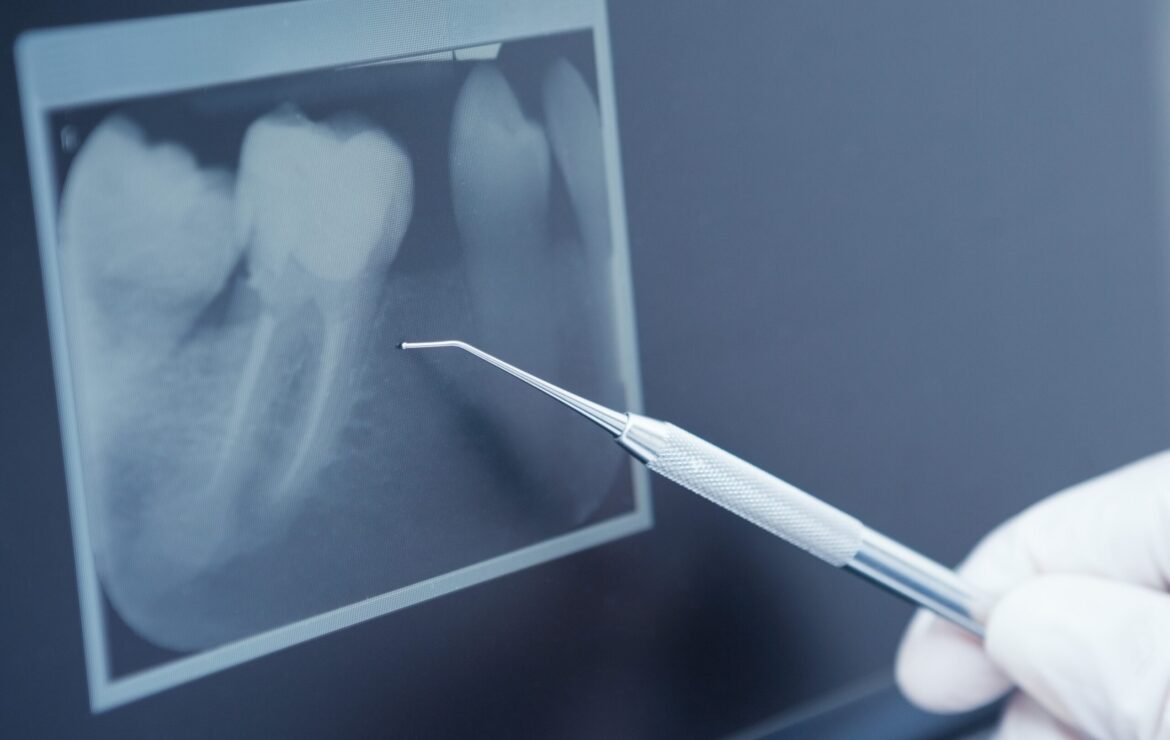
If you experience any of the following symptoms, it is time to consult a dentist for evaluation and digital X-rays:
- Persistent pain or pressure at the very back of your jaw.
- Red, swollen, tender, or bleeding gums around the wisdom tooth area, which may indicate infection (pericoronitis).
- Crowding, shifting, or decay in the adjacent teeth caused by constant pressure.
- Chronic headaches, limited jaw opening (trismus), or difficulty swallowing in severe cases.
5 Benefits of Wisdom Teeth Removal
- Prevents Tooth Decay: Partially erupted wisdom teeth create a trap for food and bacteria that is nearly impossible to clean, leading to cavities in both the wisdom tooth and the neighboring molar.
- Prevents Gum Inflammation and Infection: Removing the tooth eliminates bacterial buildup, preventing painful swelling, bad breath, and pericoronitis.
- Prevents Crowding and Structural Damage: Shifting teeth due to pressure can destroy the roots of adjacent healthy teeth and alter your natural bite.
- Prevents Cysts and Tumors: The sac next to an impacted tooth can fill with fluid, forming a cyst that destroys the surrounding jawbone and nerve tissue.
- Supports Orthodontic Treatment (Bricks/Invisalign): Extracting wisdom teeth provides essential space required to align your teeth properly, especially when distalizing molars with orthodontic miniscrews.
How to Temporarily Relieve Wisdom Tooth Pain
- Keep the Area Clean: Gently brush and use dental floss to clear food debris around the affected area, then rinse with warm water.
- Warm Salt Water Rinse: Mix 1 teaspoon of salt in a glass of warm water and rinse for 30–60 seconds to soothe inflammation and reduce bacteria.
- Over-the-Counter Pain Relievers: Take paracetamol or ibuprofen as directed to temporarily manage the pain. Consult a pharmacist if you have any drug allergies.
- Cold Compress: Apply an ice pack wrapped in a cloth to the outside of your cheek for 10–15 minutes to reduce swelling.
Essential Aftercare Tips Post-Wisdom Tooth Removal
- First Hour: Bite down firmly on the gauze pad. Do not spit or rinse; swallow your saliva and blood normally to allow a stable blood clot to form. Change the gauze if bleeding continues after an hour.
- First 24 Hours: Apply a cold compress to your cheek to prevent swelling. After 24 hours, switch to a warm compress to improve blood circulation and speed up healing.
- Oral Hygiene: Brush your teeth gently, completely avoiding the surgical site. Do not rinse vigorously on the first day. Afterwards, use warm salt water or an antiseptic mouthwash to rinse gently after meals.
- Dietary Restrictions: Avoid spicy, hot, or extremely hard foods that could irritate the wound. Strictly refrain from alcohol consumption and smoking for at least 3 days, as these can dislodge the blood clot and cause a painful condition called “dry socket.”
- Stitch Removal: Follow up with your dentist after 7 days to get your stitches removed.
Summary: Impacted wisdom teeth should not be left unaddressed. They can lead to severe infections, cavities, or bone damage. If you are experiencing jaw pain or planning orthodontic treatment, contact us today for a professional examination.
Keep your smile healthy! Schedule a routine dental check-up every 6 months. Book an appointment with our friendly dentists here.
Related posts