Dental Abfraction

Dental Abfraction

Understanding Dental Abfraction: Causes, Symptoms, and Treatments
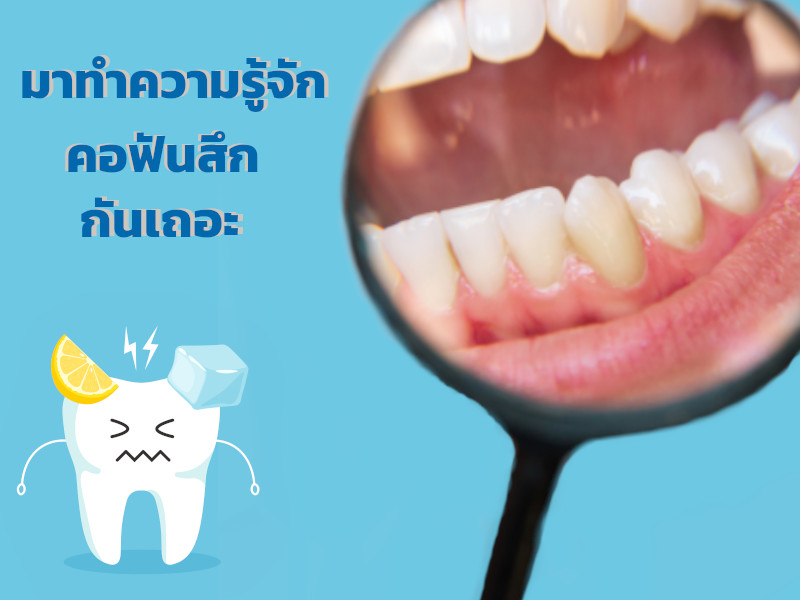
Do you frequently experience tooth sensitivity, especially when consuming hot, cold, sweet, or acidic food and drinks? If you also have a habit of brushing too hard or using a hard-bristled toothbrush, these might be warning signs of a common dental condition known as “Dental Abfraction” (cervical wear). This condition should not be left ignored. Early intervention with dental bonding and switching to proper oral care habits are essential to prevent the wear from reaching the tooth root.
What is Dental Abfraction?
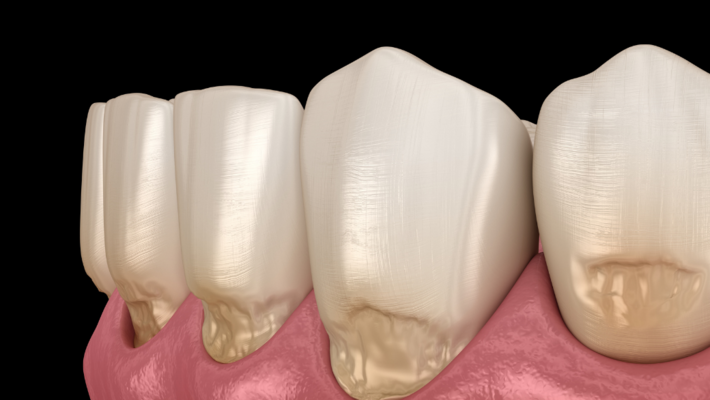
Dental Abfraction is one of the leading causes of tooth sensitivity. It involves the loss of enamel near the cervical region—where the tooth crown meets the root and gumline—forming a visible notch or groove. The severity ranges from minor surface enamel loss to deeper wear into the dentin, and in chronic cases, it can expose the pulp chamber.
5 Primary Causes of Dental Abfraction
- Improper Brushing Technique: Scrubbing aggressively back and forth along the gumline combined with highly abrasive toothpaste gradually strips away the protective enamel layer.
- Using Hard-Bristled Toothbrushes: It is a misconception that stiffer bristles clean better. Teeth do not require harsh scrubbing like household surfaces.
- High-Acid Diet: Regular consumption of acidic fruits, citrus juices, or carbonated soft drinks chemical erodes tooth structure.
- Chewing Hard Foods: Biting on hard objects like bone fragments, nuts, or tough fruits subjects the teeth to excessive biomechanical stress.
- Teeth Grinding (Bruxism): Chronic night grinding creates heavy flexure forces at the cervical area of the teeth, leading to accelerated structural loss.
Symptoms and Risks of Untreated Abfraction
Early-stage abfraction usually causes no pain. However, once the lesion deepens into the dentin layer, sharp tooth sensitivity arises when exposed to certain food temperatures or air flow. Furthermore, these notches create plaque traps, significantly increasing the risk of tooth decay.
If left untreated, the lesion can reach the dental pulp, causing painful inflammation, root damage, compromised tooth structure, and might eventually require a complete tooth extraction.

How is Dental Abfraction Treated?
For mild cases with minimal wear, your dentist may simply monitor the teeth during routine checkups. For symptomatic or deep lesions, professional treatments include:
- Dental Bonding / Filling: Sealing the notch with a tooth-colored composite resin to eliminate sensitivity and prevent further structural loss.
- Night Guards / Splints: Customized appliances worn during sleep to cushion the teeth and distribute grinding forces.
- Desensitizing Toothpaste: Specialized formulations to soothe exposed nerve pathways.
- Orthodontic Treatment: Correcting misaligned bites that trigger abnormal stress on specific teeth.
- Root Canal Therapy & Dental Crowns: Required when the lesion has severely compromised the nerve chamber.
*Note: While these treatments resolve sensitivity and stop further deterioration, lost natural tooth structure cannot naturally regenerate. Prevention remains the ideal approach.
Effective Preventive Measures
Protect your smile by using a soft-bristled toothbrush and fluoride toothpaste. Brush gently using correct techniques for 2–3 minutes, twice a day, and floss daily. Most importantly, visit your dentist every 6 months for professional assessments. [Book Your Appointment with Our Friendly Dentists Here]
Frequently Asked Questions (FAQ)
Q: How can I tell if my enamel is wearing away?
A: Look for visible indentations near your gumline. If that specific area looks slightly yellow (revealing the underlying dentin) or feels sensitive to hot and cold sensations, it is likely an abfraction lesion.
Q: What is the correct way to brush to prevent abfraction?
A: Focus on gentle, circular or sweeping motions rather than sawing back and forth horizontally. Let the soft bristles do the work without applying heavy physical pressure.
Related posts