5 Warning Signs You Need Orthodontic Treatment
5 Warning Signs You Need Orthodontic Treatment

5 Clear Signs You Might Need Braces: Don’t Wait Until It’s Too Late
Orthodontic treatment goes far beyond achieving a beautiful smile or improving facial aesthetics. Most importantly, it restores proper oral functionality and long-term dental health. If you experience any of the following warning signs, it may be time to consult our dentists.
1. Crowded Teeth
When teeth overlap or are tightly packed together, it’s a primary indicator that you need braces. Crowding makes thorough flossing and brushing difficult, leading to plaque buildup, tooth decay, and a higher risk of gum disease.
What to look for: Overlapping front teeth or molars, difficulty sliding floss between teeth, and visibly rotated or crooked teeth.
2. Open Bite
An open bite occurs when the upper and lower teeth do not touch or meet properly when the mouth is closed. This misalignment directly affects your chewing efficiency.
The Impact: Difficulty biting through certain foods, slight speech impediments or lisping, and excessive strain on the jaw joints over time.
3. Deep Bite (Overbite)
A deep bite is a condition where the upper front teeth excessively overlap the lower front teeth, making the lower teeth barely visible when biting down.
The Impact: Irritation or damage to the upper gums, premature wearing down of the lower teeth, and potential jaw discomfort or chronic headaches caused by bite pressure.
4. Protruding Teeth (Buck Teeth)
Teeth that stick out significantly not only impact your smile confidence but are also highly vulnerable to dental trauma and accidental chipping during sports or daily activities.
What to look for: Prominent upper teeth when smiling, an uneven bite, and difficulty comfortably closing your lips.
5. Gaps and Spacing
Having noticeable gaps between teeth can happen due to smaller tooth sizes or an overgrown jawbone structure that leaves too much room.
The Impact: Food constantly gets trapped, causing bad breath, difficulty pronouncing certain sounds (like ‘s’ or ‘f’), and unstable teeth alignment.
Dental Care and Orthodontic Solutions
💡 1. Initial Preventative Care
- Maintain Strict Hygiene: Brush at least twice a day and use dental floss alongside mouthwash to keep hard-to-reach areas clean.
- Bi-Annual Dental Checkups: Visit your dentist every 6 months to monitor your alignment and plan orthodontic treatment if needed.
- Avoid Bad Habits: Stop nail-biting, chewing on ice, or using your teeth as tools to prevent structural damage.
💡 2. Types of Orthodontic Treatments
Depending on your unique jaw structure and alignment needs, our dentists will recommend the right solution for your case:
- Traditional Metal Braces: A reliable and cost-effective method to correct many complex alignment issues using high-grade metal brackets and elastics.
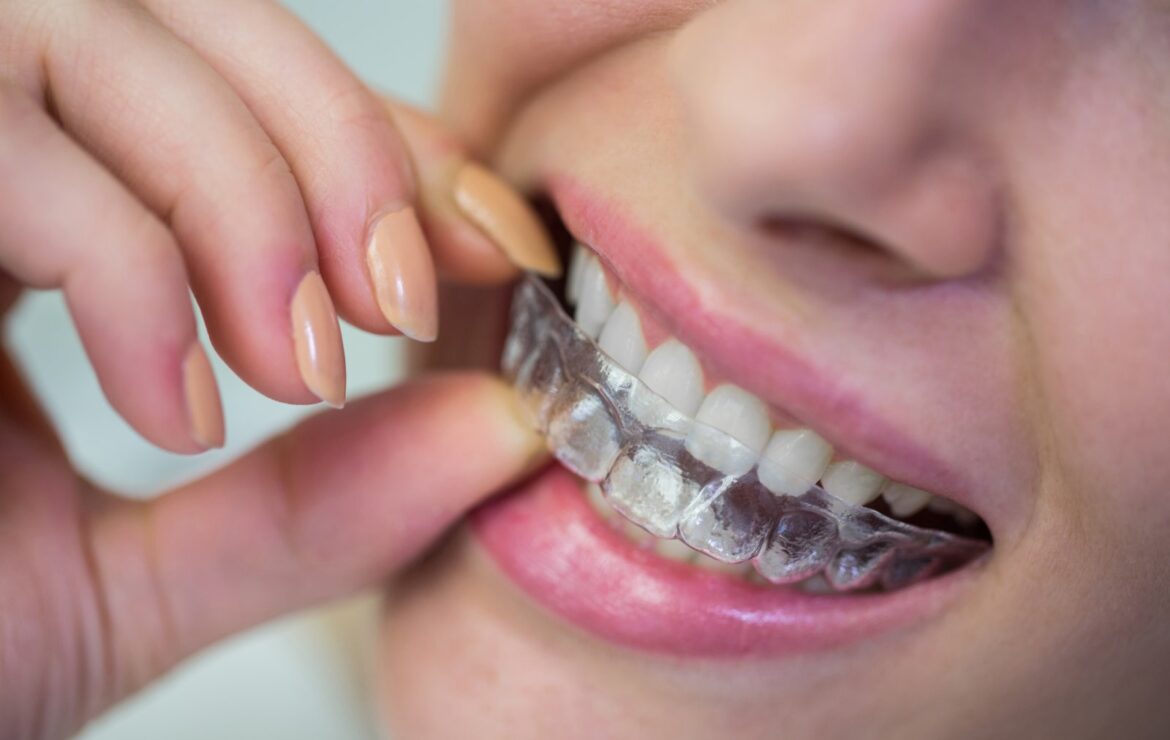
- Clear Aligners (Invisalign): A nearly invisible solution with removable trays. It offers a comfortable wearing experience, effortless cleaning, and lets you maintain confidence in social settings.
💡 3. Essential Braces Aftercare
- Avoid sticky, hard, or crunchy foods that could snap or damage the brackets.
- Use an orthodontic toothbrush designed to clean efficiently around dental hardware.
- Attend all scheduled adjustment appointments to ensure timely progress.
- Crucial Step: Always wear your retainer exactly as prescribed after removing your braces to help maintain your alignment over time.
✨ Summary
If you notice any of these 5 warning signs, getting braces can help restore your smile, support oral health, and boost long-term confidence.
Related posts