Complete Guide to Baby Teeth Care
Complete Guide to Baby Teeth Care

Don’t Ignore Primary Teeth! Complete Guide to Baby Teeth Care for a Healthy Smile
Many parents mistakenly believe that “baby teeth” (milk teeth) don’t require much attention because they will eventually fall out. However, primary teeth play a fundamental role in your child’s overall development. They are essential for proper clear speech progression, sound dietary chewing, and acting as a natural space maintainer for permanent teeth. Premature loss of baby teeth often leads to crowding, misalignment, or crooked permanent teeth later in life.
Typically, the first tooth emerges around 6 months of age, and the full set remains functional until around 11 to 12 years old. Teething can often cause gum soreness, leading to fussiness and a lack of appetite, which might impact jawbone development. Establishing excellent toddler oral hygiene habits from the very first tooth ensures healthy gums and lays the perfect foundation for a beautiful adult smile.
Age-by-Age Guide: Tooth and Oral Care for Infants and Kids
A child’s mouth changes rapidly, meaning your dental care routine should adapt to their specific developmental stages:
- Newborn Stage (Before Teeth Emerge): Even without visible teeth, oral care should begin. After feedings, gently wipe your baby’s gums, inner cheeks, and tongue with a clean, soft cloth dampened with warm water to clear away milk residue.
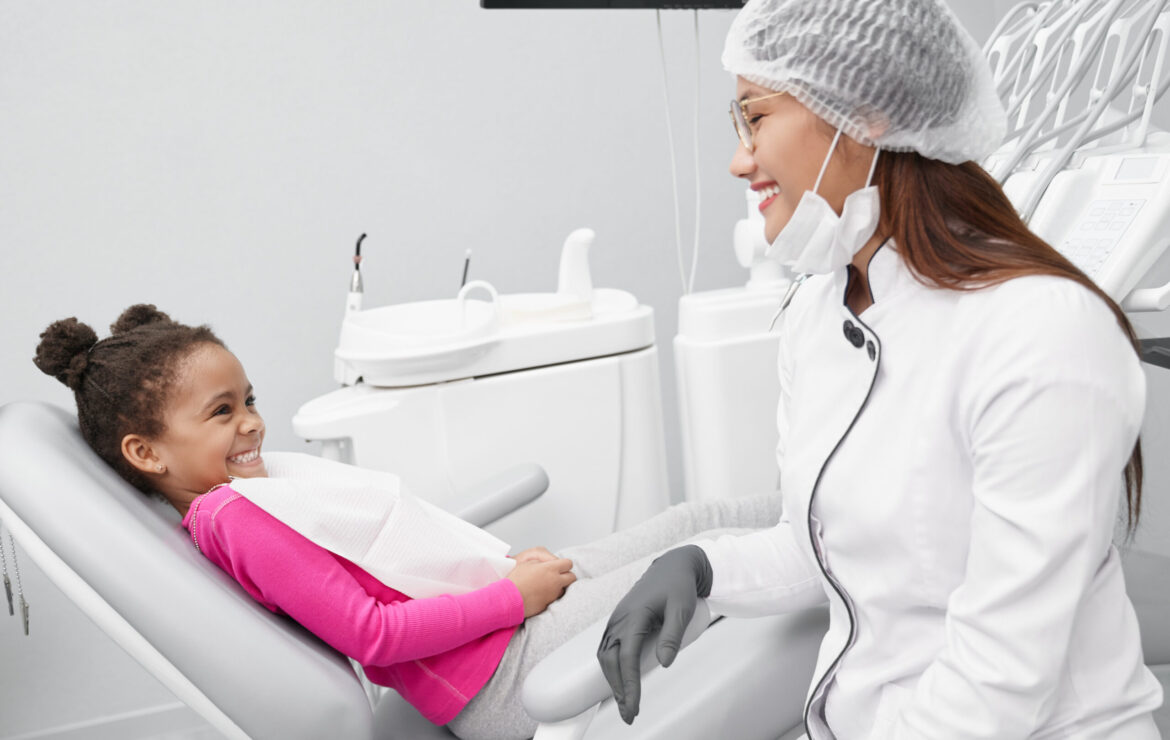
- 6 Months Old (First Tooth Emerges): As soon as the first primary tooth erupts, transition to wrapping a clean, damp cloth around your finger to gently clean the tooth surface. At this stage, a cloth offers better control than a standard toothbrush. This is also the ideal time to schedule their first pediatric dentist visit for professional guidance and preventative fluoride treatments.
- 1 to 3 Years Old (Growing Toddler Teeth): With more teeth appearing, it’s time to introduce a soft-bristled toddler toothbrush. Parents should teach the child how to brush and practice rinsing with water, while always doing the actual brushing for them to prevent any accidental ingestion of fluoride toothpaste.
- 3 to 4 Years Old (Learning to Self-Brush): Children can start attempting to brush independently, but parents must still supervise and thoroughly brush again afterwards. Because children at this age frequently consume sugary snacks or join activities like swimming that impact oral health, dental checkups every 6 months are highly recommended.
- 6 Years Old & Up (Transitioning to Permanent Teeth): Around this age, primary teeth naturally loosen and shed to make way for adult teeth. If an adult tooth begins to erupt but the corresponding baby tooth remains firmly in place for over 3 months, consult a dentist regarding a gentle extraction to safeguard teeth alignment.
Choosing the Right Toothbrush and Toothpaste for Kids
Selecting the right pediatric dental tools makes brushing safer and much more enjoyable:
- Toothbrush: Always opt for an age-appropriate toothbrush with a small brush head, ultra-soft bristles, and an ergonomic handle designed for a child’s grip.
- Toothpaste: For younger infants who haven’t mastered spitting, use a fluoride-free formula or options enriched with calcium and phosphate to securely protect enamel against tooth decay. Look for toothpastes sweetened with natural Xylitol, and strictly avoid formulas containing SLS (Sodium Lauryl Sulfate).
- Usage: Squeeze a minimal smear—no larger than a small green pea. Ensure your child brushes at least twice a day (morning and night) and limit their daily intake of sugary snacks and beverages.
Frequently Asked Questions About Baby Teeth Care (FAQ)
Q: Does night-bottle feeding increase the risk of tooth decay in toddlers?
A: Yes, significantly. Leaving milk or formula sitting in a sleeping child’s mouth allows oral bacteria to break down the sugars into acids, rapidly eroding the delicate enamel of primary teeth and causing severe early childhood caries.
Q: If a baby tooth gets a cavity, does it really need a dental filling?
A: Absolutely. Leaving a decayed tooth untreated causes pain and tooth sensitivity, hindering your child’s ability to eat and receive proper nutrition. Untreated decay can also spread deeper, resulting in painful infections that harm the developing permanent tooth underneath.
Q: What happens if a child loses a primary tooth too early?
A: Neighboring teeth will naturally tilt or drift into the empty space. When the underlying permanent tooth is finally ready to grow, it won’t have enough room to erupt properly, causing severe crowding and overlapping issues that are difficult to clean.
Q: At what age should a child completely stop bottle feeding?
A: Children should gradually transition away from bottles by 18 months of age. Allowing bottle use past the age of 4 can alter jawbone development, often leading to a pronounced overbite or protruding front teeth.
Trust CASA Dental Clinic to Safeguard Your Child’s Milestones & Bright Smiles
👉 Click Here to Book a Friendly Consultation and Pediatric Dental Checkup Today
Related posts