Cracked Tooth Guide

Cracked Tooth Guide

Is a Cracked Tooth Dangerous? Symptoms, Causes, and Effective Treatments
Dental issues like a chipped tooth or facial trauma are usually easy to spot. However, certain types of cracked teeth are virtually invisible to the naked eye. Many people live with hairline dental cracks without realizing it until severe pain strikes. To protect your oral health, let’s explore the common causes and symptoms of a cracked tooth.
Although teeth are protected by enamel—the hardest substance in the human body—they are still vulnerable to damage. Teeth play an essential role in chewing, speaking clearly, and boosting self-confidence. But what should you do if your beautiful smile suffers a chip, crack, or fracture?
Is a Cracked Tooth Dangerous?
The short answer is “Yes, it can become highly dangerous if left untreated.” Initially, a minor crack might only affect the outer layers of the tooth. However, early warning signs like sudden tooth sensitivity or sharp pain when biting, chewing, or consuming hot and cold drinks indicate that the damage is progressing and requires immediate professional dental care.
What Does a Cracked Tooth Look Like?
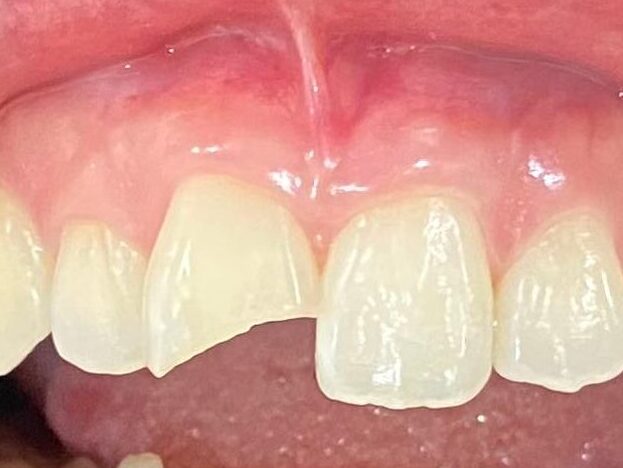
A cracked tooth occurs when a structural fracture develops in the tooth structure. This can present as a visible chip, a jagged and sharp edge, a deep hole, or a split running through the surface. It can happen to any tooth, from your prominent front teeth to your back molars. If left un-restored, bacteria will invade the crack, leading to severe tooth decay, nerve damage, and potential tooth loss.
CASA Dental Clinic
5 Common Causes of a Cracked Tooth
- Accidents and Trauma: Hard impacts to the face from falls, sports injuries, or accidents.
- Chewing Hard Objects: Biting down on ice, hard candies, nuts, or non-food items.
- Severe Dental Decay: Large untreated cavities that hollow out and weaken the inner tooth structure.
- Teeth Grinding (Bruxism): Excessive, repetitive pressure on the teeth caused by nighttime teeth grinding.
- Poor Oral Hygiene: Plaque and tartar buildup that weakens dental enamel, making teeth brittle and prone to fracturing.
Signs and Symptoms You Shouldn’t Ignore
- A visible crack line or feeling a sharp, unnatural surface with your tongue.
- Dull aches or sharp, radiating pain when biting down or releasing pressure.
- Intense tooth sensitivity to hot, cold, sweet, or acidic foods and drinks.
- Sharp edges that cause painful cuts or irritation to your tongue and cheek.
- Swollen, tender gums surrounding the affected tooth.
When to See an Emergency Dentist Immediately
- A Visible Hole or Cavity: Often caused by advanced decay or a lost dental filling.
- Split Tooth: A vertical crack running from the chewing surface down below the gum line, splitting the tooth into two parts. This causes severe, persistent pain.
- Vertical Root Fracture: A crack starting from the root up toward the surface. It often remains asymptomatic until the surrounding bone and gum tissue become infected and abscessed.
How to Treat a Cracked Tooth
The choice of treatment depends entirely on the location, direction, and extent of the crack. Your dentist will recommend the right solution for your case:
- Dental Bonding / Filling: For minor surface chips, tooth-colored composite resin is used to restore the tooth’s shape and strength.
- Porcelain Veneers: If a front tooth has extensive cosmetic damage, custom porcelain or composite veneers can permanently conceal the crack and reinforce the structure.
- Dental Crowns: For deep cracks that compromise structural integrity, a custom-made crown is placed over the tooth like a cap to protect it from breaking further.
- Root Canal Therapy: If the crack reaches the dental pulp (nerve), a root canal is required to remove infected tissue, followed by a crown to restore function.
- Tooth Extraction: When the root is severely fractured beyond saving, extraction is the final option. Dental implants or bridges will be recommended to prevent shifting teeth and restore your bite.
Don’t wait for a small crack to turn into a painful, costly dental emergency. Early diagnosis is the key to preserving your natural teeth.
Schedule a Checkup Every 6 Months: Book Your Dental Appointment Here
Frequently Asked Questions (FAQ)
A: Yes, if ignored, bacteria can infiltrate the tooth pulp, causing severe infections, abscesses, and permanent tooth loss.
A: You should see a dentist immediately if you notice a visible hole, if the tooth splits, or if you experience sharp pain when eating or drinking.
A: Most cracked teeth can be saved and restored to good function, provided you seek dental care before the damage reaches the root.
A: Treatments range from standard dental fillings and veneers for minor damage, to dental crowns, root canals, or extractions for severe cases.


Related posts