Dental Implants vs Root Canal
Dental Implants vs Root Canal


When a natural tooth suffers severe damage—whether from deep decay, trauma, or an internal infection within the nerve space—patients are often faced with a critical decision: “Should I save my natural tooth with a root canal, or undergo a tooth extraction and replace it with a dental implant?” Since both choices come with different procedural benefits, long-term outcomes, and financial considerations, understanding them in detail is key to making an informed choice for your oral health.
1. Anatomy of a Natural Tooth
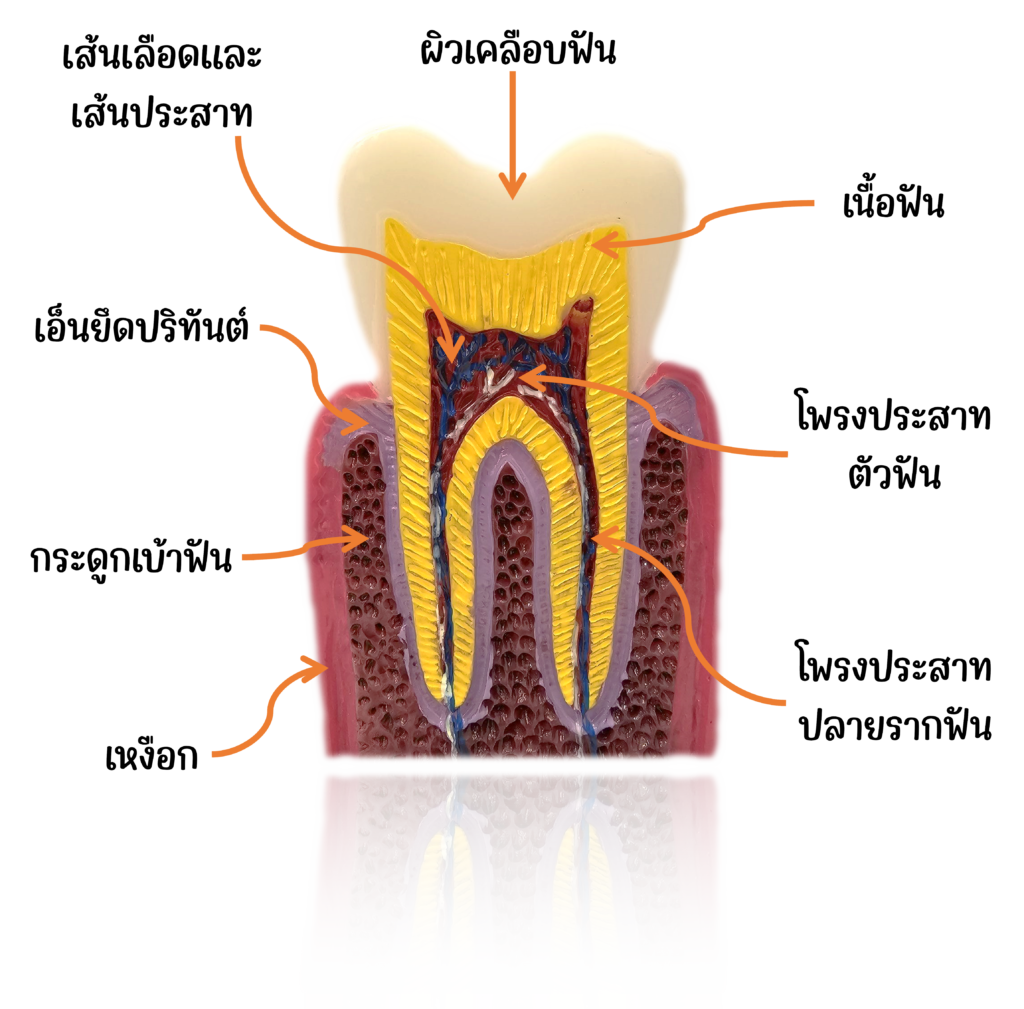
To better understand your treatment options, let’s take a look at the core structure of your teeth:
• Enamel: The Tooth’s Armor
The hardest substance in the human body, enamel serves as a shield protecting your teeth from daily wear, temperature changes, acidic foods, and harmful bacteria. However, it can erode over time if exposed to excessive sugar and acid.
• Dentin: The Supportive Base
Located right beneath the enamel, dentin makes up the bulk of the tooth structure. It contains microscopic tubules leading straight to the nerves. When enamel is compromised, exposed dentin leads to tooth sensitivity.
• Pulp Cavity: The Heart of the Tooth
The innermost core house contains vital blood vessels, nerves, and connective tissue that nourish the tooth during its growth. When decay penetrates deep into the pulp, an infection occurs, requiring a root canal to save the tooth.
• Cementum & Periodontal Ligament (PDL)
The root is anchored securely to the jawbone by a layer called cementum. The periodontal ligament wraps around it, acting as a natural shock absorber against the forces of biting and chewing.
• Crown & Root
The crown is the visible section of the tooth above the gumline, uniquely shaped for biting or grinding. The root remains hidden below the surface, acting as a stable foundation.
2. What is Root Canal Treatment?
A root canal treatment is an endodontic procedure aimed entirely at preserving your natural tooth. During the procedure, the dentist creates a small access point in the crown to remove the inflamed or infected pulp tissue. The interior root canals are then carefully disinfected, shaped, filled, and sealed. Usually, a dental crown is placed over the treated tooth to restore its full structural strength.
👍 Pros:
- Allows you to successfully keep and preserve your natural tooth.
- Generally more cost-effective upfront compared to getting an implant.
- Quicker process, typically completed over 2 to 3 short visits.
- Maintains the natural biting feel and chewing function.
⚠️ Cons:
- Once the nerve tissue is removed, the tooth becomes non-vital, making it more brittle and prone to fractures over time if left without a crown.
- There is a minimal risk of recurring infection in the future.
- If the underlying root structure is severely weak, it may not last long-term.


3. What is a Dental Implant?
A dental implant is a modern permanent tooth replacement solution. A biocompatible titanium post is surgically placed directly into the jawbone, acting as a sturdy alternative root. Once the bone fuses with the post, an abutment and a custom porcelain crown are attached on top. This recreates a brand-new tooth that closely mimics a natural tooth in both functionality and appearance.
👍 Pros:
- Stable and durable, functioning much like an original tooth.
- Good longevity, long-term with proper oral care.
- Prevents the bone loss or jawbone resorption that normally follows a tooth extraction.
- No need to alter or alter adjacent healthy teeth, unlike traditional dental bridges.
⚠️ Cons:
- Involves a higher initial financial investment compared to a root canal.
- Longer healing process, taking about 3 to 6 months for complete osseointegration (bone fusion).
- Requires adequate bone density and good systemic health for proper healing.
4. Quick Comparison: Dental Implants vs Root Canal
| Criteria | Root Canal Treatment | Dental Implant |
|---|---|---|
| Tooth Preservation | Saves and retains your original natural tooth | Requires extraction, replaced by prosthetic parts |
| Lifespan | Can last many years (tooth gets fragile over time) | Long-term durability, often lasting many years with proper care |
| Cost Comparison | More affordable upfront cost | Higher initial cost (long-term investment) |
| Treatment Timeline | Fast results, usually finished in 2–3 appointments | Requires multiple surgical and restorative stages over months |
| Strength & Aesthetics | Requires a crown to look good and prevent cracking | Provides strong structural support and natural-looking aesthetics |
5. The Verdict: Which Option Should You Choose?
The ideal pathway relies heavily on the structural viability of your remaining tooth and your long-term goals. Your dentist will generally follow these guidelines:
- 👉 Choose Root Canal Treatment if: The tooth damage is localized, the root canal walls are stable, and there is minimal bone loss. This approach may help keep your authentic natural smile intact.
- 👉 Choose a Dental Implant if: The tooth has a vertical root fracture, severe decay past the gum line, or is structurally un-savable. In this case, an extraction followed by an implant is often a predictable long-term investment.
💬 Frequently Asked Questions (FAQ)
Q: Is getting a root canal or a dental implant painful?
A: Both procedures are performed under local anesthesia, which keeps most patients comfortable during the procedure. Any minor post-operative soreness or swelling can be easily managed with routine pain relievers prescribed by your dentist.
Q: What happens if I leave a severely decayed tooth untreated?
A: The infection can spread to neighboring teeth and bone structures, creating painful dental abscesses, systemic health risks, and severe bone loss that complicates future restoration treatments.
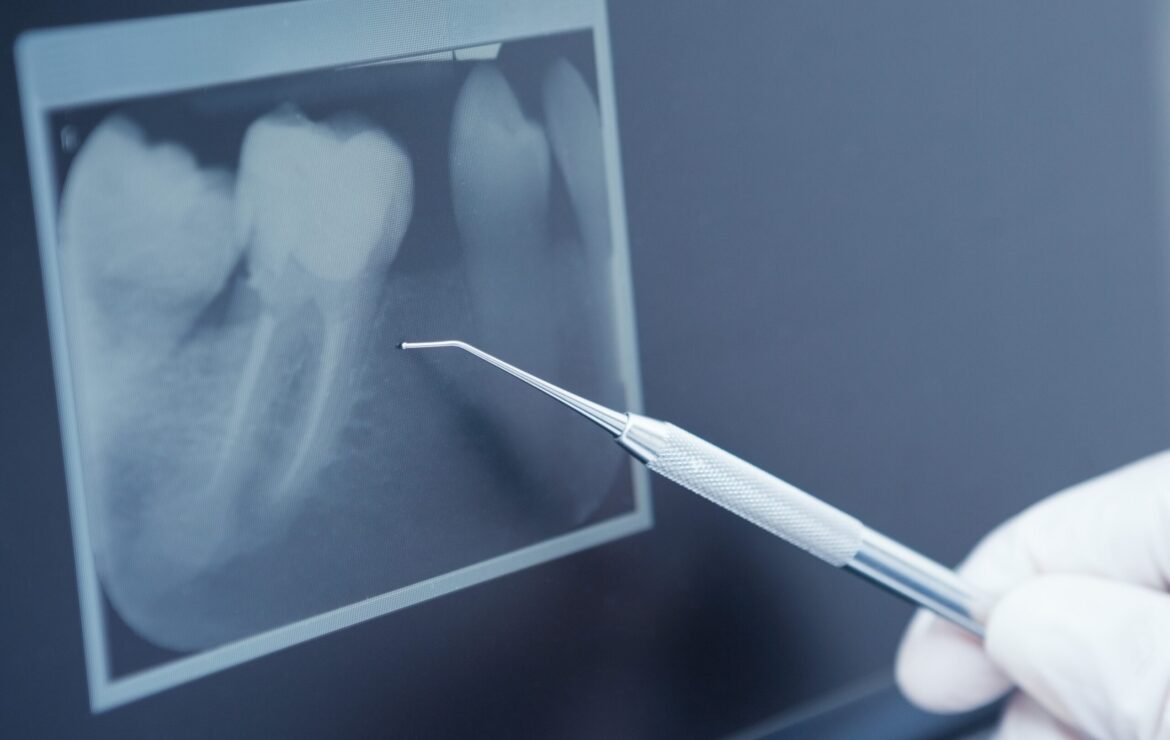
Ultimately, a precise diagnosis requires professional digital X-rays and an assessment by an experienced dentist to evaluate your exact jawbone and root health.
At CASA Dental Clinic, our experienced team in endodontics and implantology is equipped with advanced dental technology to guide you toward the healthiest option for your unique smile.


Related posts