Dental X-ray Safety
Dental X-ray Safety

Are Dental X-Rays Necessary? Safety, Benefits, and What You Should Know
During a routine teeth examination, you might wonder: “Why do I need a dental X-ray if the dentist is already checking my mouth?” It is completely normal to have concerns regarding radiation safety, cost, and whether the procedure is truly essential.
The truth is, a dental X-ray is a vital diagnostic tool that allows dentists to see “what the naked eye cannot.” It provides a clear view of your internal oral structures, enabling accurate treatment planning. Let’s dive deeper into why this quick procedure is so important for your oral health.
What is a Dental X-Ray?
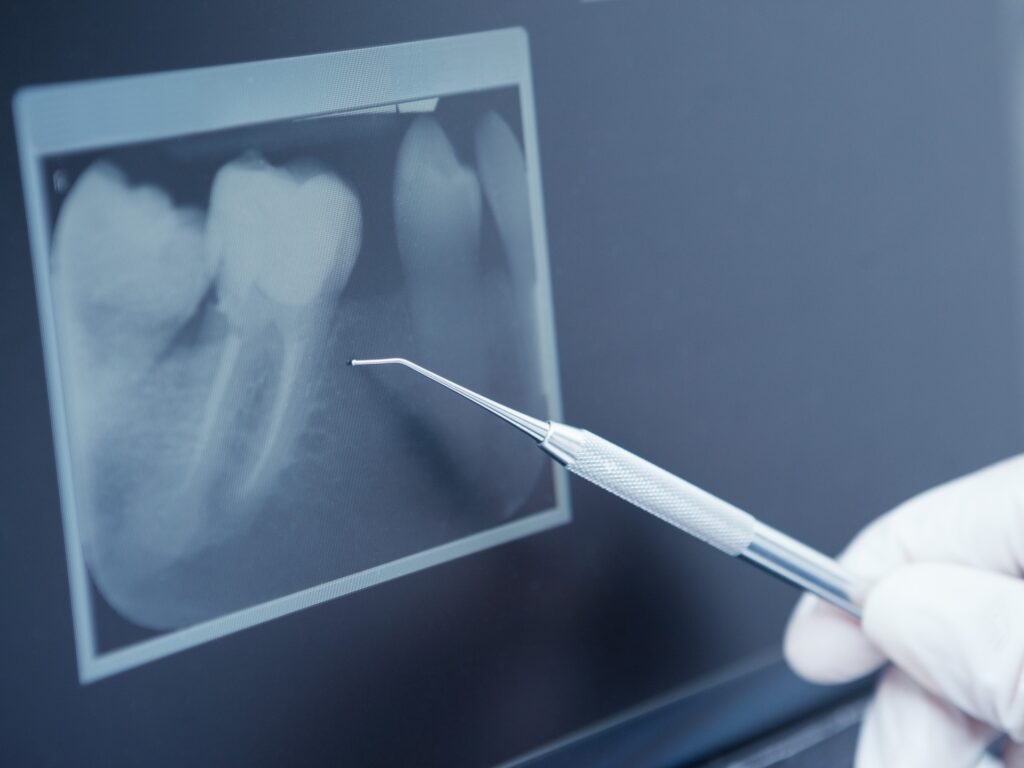
A dental X-ray uses very low levels of radiation to capture detailed images of the interior of your teeth and jawbones. There are two primary types commonly used in our dental clinic:
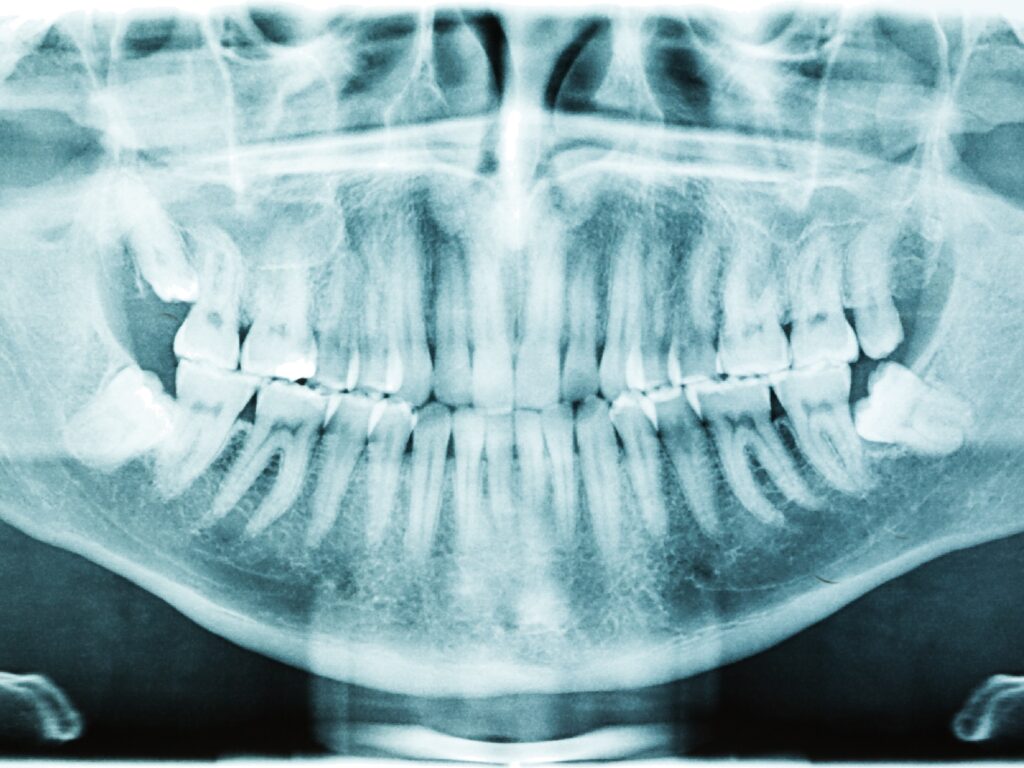
1. Panoramic X-Ray (Full Mouth View)
Captures the entire mouth in a single image. It is perfect for identifying wisdom teeth, assessing jaw health, and planning orthodontic treatments.
2. Periapical X-Ray (Small Focused View)
Focuses on a few specific teeth from the crown to the root. It helps detect hidden tooth decay between teeth and root-level infections.
4 Reasons Why Dental X-Rays Are Crucial
Many dental issues develop deep beneath the enamel and gumline without causing any early pain. X-rays help detect:
- Hidden Tooth Decay: Cavities forming between tight teeth gaps or beneath existing fillings.
- Root Infections: Deep infections, cysts, or abscesses at the root tip before symptoms worsen.
- Impacted Wisdom Teeth: Finding poorly positioned wisdom teeth that could damage adjacent molars.
- Bone Loss Assessment: Evaluating bone density and structure before dental implants or braces.
Are X-Rays Required at Every Visit?
No, they are not always required. The frequency depends heavily on your current oral health status, age, and medical history. Dentists typically recommend them for:
- New patient consultations to establish a baseline.
- Investigating localized pain or swelling with an unknown cause.
- Pre-treatment planning (e.g., wisdom teeth extraction, implants, root canals).
- Monitoring progress during or after major dental work.
Are Dental X-Rays Safe? Understanding Radiation Levels
The short answer is: dental X-rays involve very low radiation doses considered safe by international standards. Dental radiographs require a low dose of radiation. Thanks to modern digital X-ray technology, radiation exposure is reduced by up to 80% compared to traditional film. Furthermore, protective gear like a lead apron is provided to help minimize radiation exposure. In fact, the radiation from a dental X-ray is significantly less than the ambient background radiation we encounter in daily life.
📌 Summary
Dental X-rays are not something to fear—they are a preventive necessity. Early detection leads to simpler, more affordable treatments.
Get a Free Consultation. Book Your Appointment Today: CASA Dental Clinic
Frequently Asked Questions (FAQs)
Q: Does getting a dental X-ray hurt?
A: Generally, no. The procedure is entirely non-invasive. You might experience minor discomfort holding the film device still, but it only lasts for a few seconds.
Q: Can pregnant women get dental X-rays?
A: Yes, if medically necessary. Always inform your dentist about your pregnancy so proper precautionary shielding can be deployed over the pelvic area.
Q: How long does the process take?
A: The imaging itself takes less than a minute. The entire process, including setup and positioning, takes around 5 to 10 minutes.
Q: What happens if I skip the X-ray?
A: Skipping recommended X-rays may leave serious structural issues undiagnosed, potentially leading to advanced decay, severe toothaches, or even tooth loss later on.
Related posts