How to Clean Retainers Properly
How to Clean Retainers Properly

Can You Clean Your Retainer with Toothpaste?
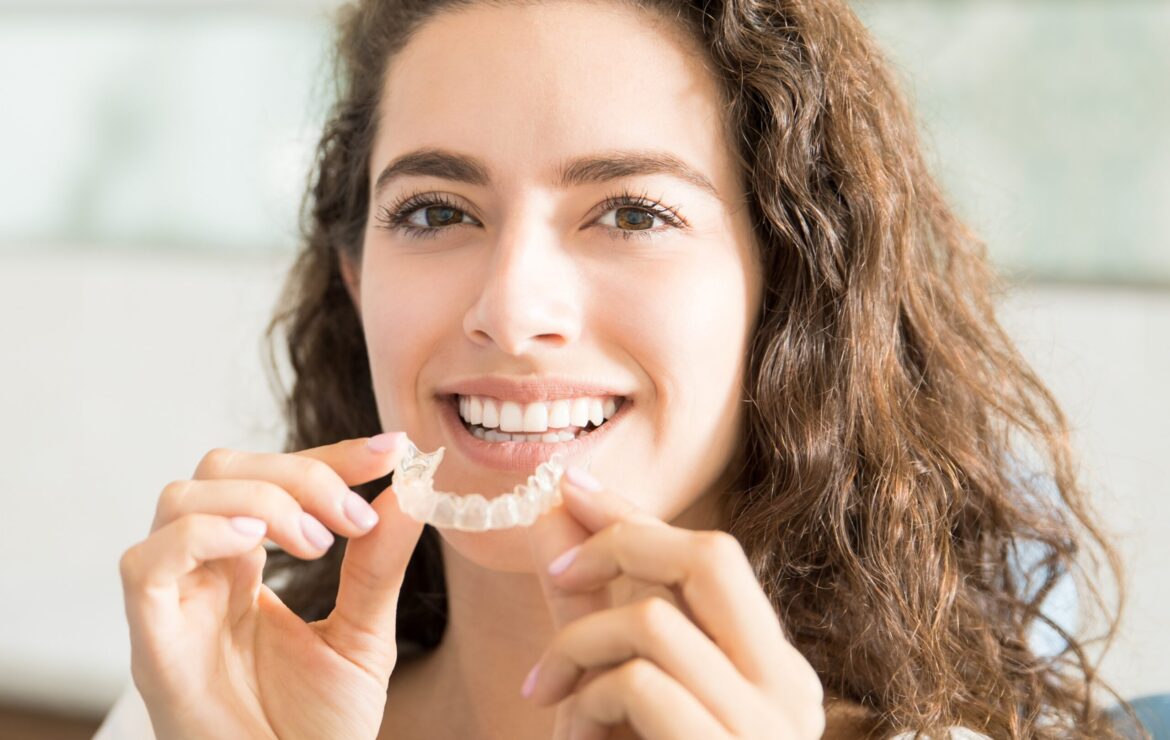
After finishing your orthodontic treatment, a retainer is crucial to keeping your beautiful smile in place. However, a common question many people ask is: Can I use toothpaste and a toothbrush to clean my retainer?
The Expert Answer: ❌ Highly Not Recommended ❌
3 Reasons Why You Should Avoid Using Toothpaste on Retainers
- Toothpaste Contains Abrasives: While abrasives are great for cleaning natural tooth enamel, they are far too harsh for dental appliances. Over time, brushing with toothpaste creates microscopic scratches on the surface of your retainer.
- Scratches Become Breeding Grounds for Bacteria: Tiny scratches on the plastic surface easily trap food particles, saliva, and plaque. This leads to foul odors, an unhygienic appearance, and faster wear and tear.
- Clear Retainers Will Become Dull and Cloudy: For clear retainer users, the continuous abrasive action of toothpaste destroys the glossy finish, causing the plastic to turn cloudy, dull, and aged.
⚠️ What Happens If You Don’t Clean Your Retainer?
Neglecting your retainer’s daily hygiene can lead to severe issues for both your oral health and the appliance itself:
- Plaque and Tartar Accumulation: Saliva build-up and bacteria will layer up, forming hard, stubborn tartar deposits.
- Bad Breath and Foul Odors: Trapped bacteria cause an unpleasant smell and taste in your mouth, harming your daily confidence.
- Risk of Cavities and Gum Disease: The germs living on your retainer transfer back onto your gums and teeth, potentially causing gum swelling, inflammation, or bleeding.
- Rapid Deterioration: Calcified buildup makes the materials cloudy, brittle, and dramatically shortens the lifespan of the appliance.
- Mouth Sores: Accumulated grime and bacteria can easily irritate the delicate soft tissues in your mouth, leading to painful canker sores.
How to Clean Retainers Safely and Correctly
Professional dentists recommend the following daily protocols to keep your retainers hygienic and crystal clear:
| What You Should Do ✅ | What You Must Avoid ❌ |
|---|---|
|
|
🦷 Protect Your Retainer for a Long-Lasting, Beautiful Smile
A clean retainer not only lasts longer but also keeps your teeth healthy and locks your post-orthodontic results perfectly in place. Proper care from day one ensures a confident, radiant smile for life! ✨
Get a Free Consultation! Book your visit today at CASA Dental Clinic
📅 Click Here to Book an Appointment with Our Friendly Dentist
Frequently Asked Questions (FAQ)
Q: Can I use toothpaste to clean my retainer?
A: No, it is highly discouraged. Toothpaste contains abrasive agents that scratch the retainer’s surface, making it easier for stubborn stains and bacteria to build up over time.
Q: How often should I clean my retainer?
A: You should clean it every day. Gently rinse it under lukewarm or room-temperature water and use a soft toothbrush to prevent plaque buildup and bad odors.
Q: How often should I soak my retainer in cleaning tablets?
A: It is recommended to soak your retainer in an effervescent cleaning tablet or specialized retainer solution 2–3 times a week to deeply sanitize and eliminate bacteria.
Q: Can I wash my retainer with hot water?
A: Absolutely not. Hot water can melt or warp the plastic structure of your retainer, ruining its custom shape so it no longer fits your teeth correctly.
Q: What should I do if my retainer becomes cloudy or smells bad?
A: Increase your daily cleaning frequency and use retainer soaking tablets more regularly. If the buildup is calcified and won’t budge, visit your dentist to have it professionally cleaned or evaluated for a replacement.
Q: Is it safe to use rubbing alcohol or household disinfectants on retainers?
A: No, it is unsafe. Harsh chemicals degrade the appliance materials, making them brittle and prone to breaking. They can also leave harmful chemical residues that cause oral irritation.
Related posts