What Causes Black Stains on Teeth?

What Causes Black Stains on Teeth?

What Causes Black Stains on Teeth? Causes, Treatments, and Prevention Tips
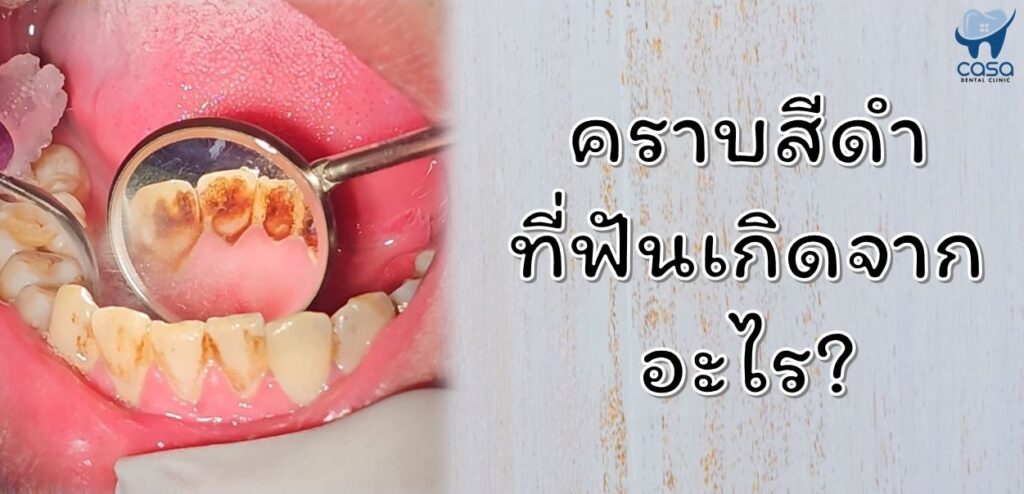
What is Teeth Staining?
Teeth staining refers to the discoloration and accumulation of organic pigments on the surface of your teeth. This is heavily influenced by daily dietary habits and oral hygiene routines. Staining is most commonly found in individuals who frequently consume tea, coffee, carbonated drinks, red wine, or use tobacco products. These surface stains typically contain a mixture of elements, including calcium, carbon, copper, iron, nitrogen, oxygen, and sulfur.
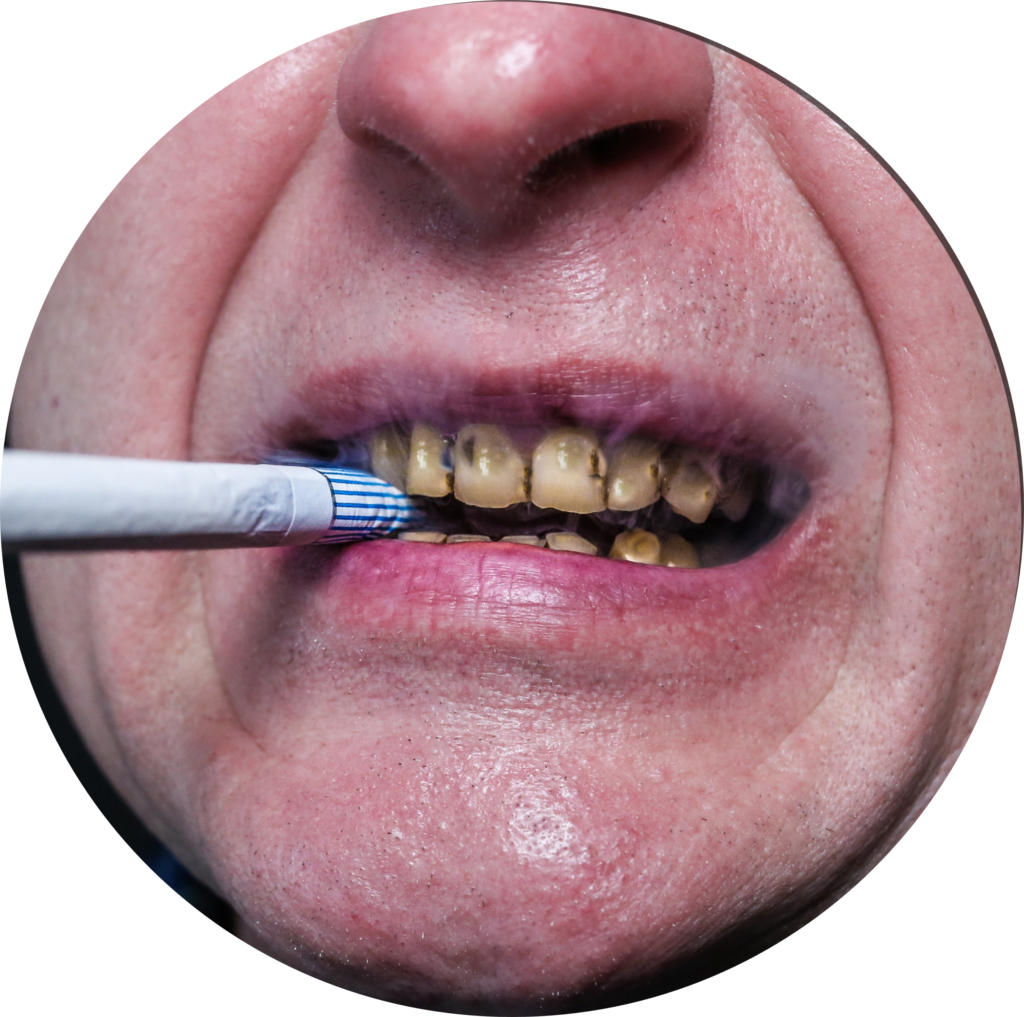
Smoking

Tea

Coffee
Primary Causes of Yellow and Black Stains on Teeth
When you consume tea or coffee, the pH level inside your mouth drops, shifting into a slightly acidic state. This temporary acidity can thin out your tooth enamel, making it much easier for dark pigments to bond with the tooth’s surface. These stubborn brown or dark stains are most frequently visible on the inner surfaces of the teeth.
Furthermore, when bacteria react with debris around the gumline, they create a soft, sticky, colorless film known as dental plaque. If plaque isn’t promptly removed via brushing and flossing, it hardens over time into a chalky substance called tartar (calculus). When tartar absorbs dark pigments from your diet, it develops into noticeable black tartar. Studies also suggest that dark tartar might be linked to mouth-breathing habits or chronic respiratory conditions, and it can occur in both primary (baby) and permanent teeth.
Are Black Stains on Teeth Dangerous?
If the black tint is simply a reaction between specific oral bacteria and saliva rich in iron (often due to iron supplements or iron-dense foods), it is generally harmless and poses purely a cosmetic concern.
However, in most other scenarios, plaque and tartar buildup lead directly to gum irritation. The earliest stage of this condition is gingivitis. If left untreated, gingivitis can deteriorate into periodontitis (severe gum disease). Periodontitis destroys the supportive bone structure holding your teeth in place, causing teeth to become loose, shift, or eventually fall out entirely.
Tartar vs. Surface Stains: What is the Difference?
Surface stains occur strictly on the outer enamel layer due to food pigments. In contrast, tartar forms and hardens primarily along the interdental spaces (between teeth) and below the gumline. Because of this distinction, a standard dental scaling procedure may remove tartar completely, but specific professional polishing or whitening may still be needed to lift deeply embedded yellow or brown surface stains.
Learn More: Understanding Tartar and Gum Disease Treatments
How to Get Rid of Black Tartar and Stains
Once tartar has hardened on your teeth, it cannot be brushed away safely at home. A dental professional must remove it through dental scaling and root planing. Using specialized ultrasonic scalers and stainless-steel instruments, dentists gently vibrate and clear the stubborn buildup from the teeth and beneath the gumline, smoothing out the root surfaces so the gums can heal and reattach cleanly.
*Warning: Never attempt to scrape tartar off your teeth at home, as DIY dental tools can permanently scratch your enamel and severely injure your gums.
Simple Tips to Prevent Tartar Accumulation at Home
- Brush Properly: Brush thoroughly twice a day using a tartar-control toothpaste engineered to eliminate plaque buildup.
- Floss Daily: Clean between your teeth and just beneath the gumline once a day to remove trapped debris where toothbrushes can’t reach.
- Rinse After Chromogenic Foods: Swish water in your mouth immediately after drinking staining beverages like tea or coffee.
- Bi-Annual Dental Visits: Schedule regular professional cleanings every 6 months to address plaque before it mineralizes into dark tartar.
Additionally, adjusting certain behaviors—such as switching to a soft-bristled toothbrush and avoiding aggressive scrubbing—can preserve your enamel. If you experience minor tooth sensitivity, using a desensitizing dental gel can provide relief.
Black stains and tartar are manageable with consistent care. Committing to a consistent oral care regimen helps maintain a healthy, radiant smile for years to come.
Schedule Your Routine Cleanings: Book an Appointment with Our Friendly Dentists Here
Frequently Asked Questions (FAQ)
A: They are caused by external staining substances like tea, coffee, soda, or smoking, as well as hardened tartar absorbing these pigments over time.
A: Maintain a strict routine of brushing twice a day, flossing, and making sure to rinse your mouth with water right after consuming dark food or drinks.
A: Yes, professional dental scaling and polishing performed by a dentist are effective at removing tartar and most surface stains.


Related posts